Workplace wellbeing in manufacturing: caring for your shop-floor staff
Shifts, noise, production pressure and little access to support. A guide for HR and safety teams at industrial companies who want to look after mental health on the shop floor.
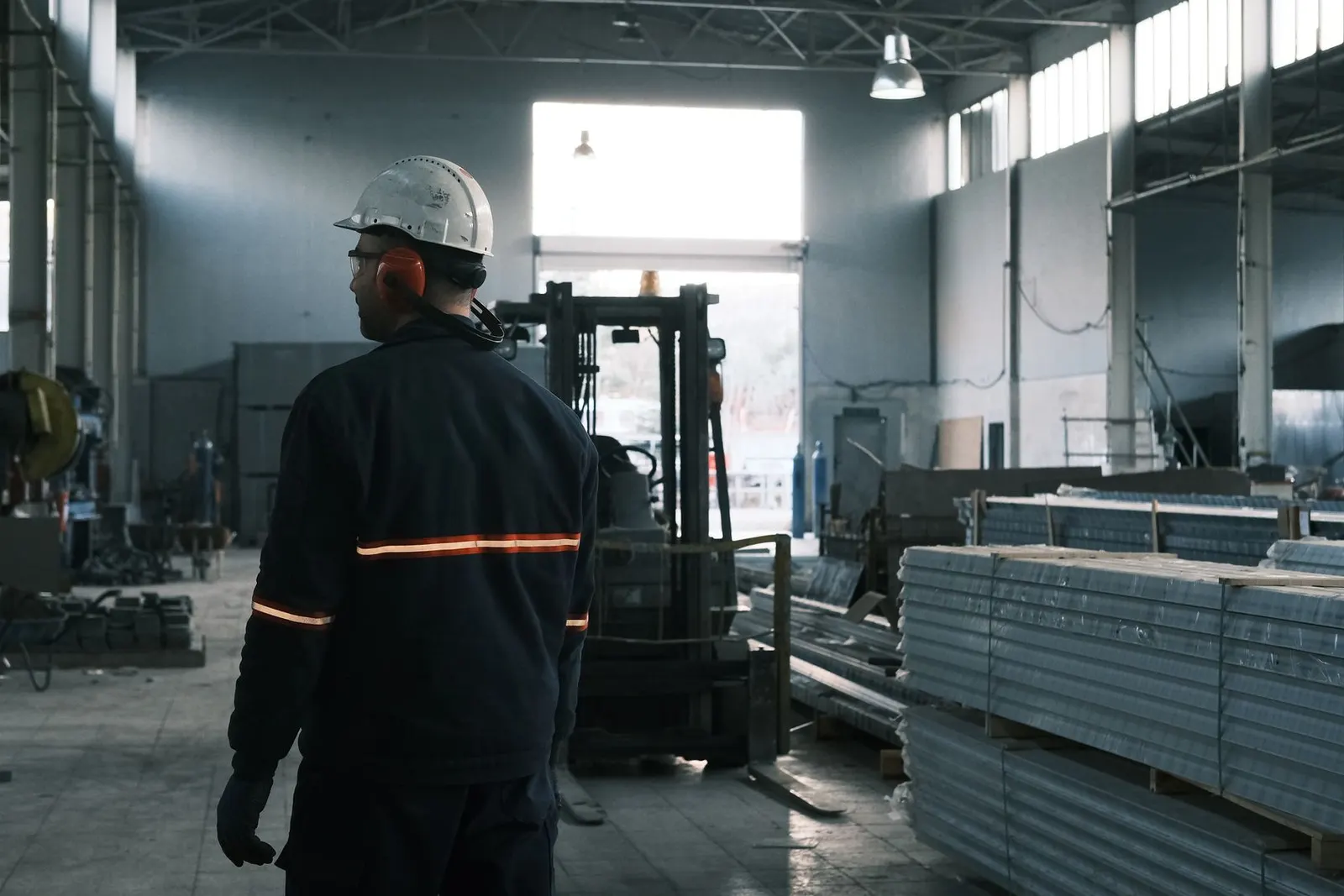
Workplace wellbeing in manufacturing: the short answer
Workplace wellbeing in manufacturing depends on three things that are not the same as in an office: how shifts and production workload are organised, how shop-floor supervisors behave, and whether support actually reaches people who have no computer or corporate email. An industrial company that wants to look after its workforce’s mental health should assess those factors in its psychosocial risk assessment, train supervisors and shift leaders, and offer confidential psychological support that can be accessed from a mobile phone and outside office hours, such as an Employee Assistance Programme (EAP).
Many wellbeing programmes are designed with office staff in mind: lunchtime webinars, fruit in the meeting room, an intranet nobody on the shop floor ever opens. In a factory running three shifts, that approach leaves out precisely the people carrying the heaviest physical load and the hardest hours. This guide explains what is specific about manufacturing, what the regulations require and which measures work on the shop floor.
Why mental health in industry is a special case
In the Basque Country, industry accounts for a clearly higher share of employment than the Spanish average, and many industrial workforces share a profile that shapes any wellbeing plan:
- Shift and night work. It disrupts sleep, eating and family life. In 2019 the International Agency for Research on Cancer (IARC) classified night shift work as “probably carcinogenic” (Group 2A), a sign of how strongly working patterns affect health. Chronic lack of sleep is also one of the factors most closely associated with irritability, anxiety and low mood.
- Production pressure. Delivery deadlines, per-shift targets, line stoppages and order peaks create high demands with little room for control, the combination that psychosocial risk models identify as the most harmful.
- A demanding physical environment. Noise, heat, awkward postures and protective equipment worn all day add up to fatigue, and fatigue reduces the capacity to manage stress.
- A culture of “toughing it out”. In many workshops, talking about anxiety is still seen as weakness, especially in male-dominated, long-tenured workforces. Distress goes unspoken and shows up instead as sick leave, conflict or mistakes.
- Little access to the usual channels. People working on the line rarely have corporate email or time to check the intranet, and their hours do not match HR’s.
On top of this there is a safety factor: on the shop floor, tiredness and worry affect not only performance but also attention. Looking after mental health in industry is also a matter of accident prevention.
What the regulations say about wellbeing in industrial settings
An industrial company does not start from scratch, nor can it choose whether to act. There are specific obligations in Spain:
- Assess psychosocial risks too. Law 31/1995 on Occupational Risk Prevention (articles 14 and 16) requires all risks to be assessed, not just physical ones. Shift work, pace of work, autonomy, supervisor support and role clarity are psychosocial factors that must be included in the assessment. We explain this in detail in our guide to psychosocial risks and legal requirements for companies.
- Adapt the work to the person. Article 15 of the same law sets out, as a principle of preventive action, mitigating monotonous and repetitive work and reducing its effects on health.
- Protect night and shift workers. Article 36 of the Workers’ Statute requires people working nights and shifts to enjoy a level of health protection adapted to their work, and night workers’ health assessments to be free of charge, carried out before assignment and at regular intervals.
- Act on the results. The psychosocial assessment must lead to an action plan with measures, owners and deadlines. In the Basque Country, Osalan provides guides and materials to support companies in this process, and Spain’s INSST publishes specific technical notes on shift and night work.
In practice, the Labour Inspectorate asks to see the psychosocial assessment and the resulting plan. An assessment carried out years ago that never turned into measures does not fulfil the role the law gives it.
How to build a workplace wellbeing plan in an industrial company
A plan that works on the shop floor has to be designed from the shop floor. These are the steps we recommend:
1. Measure by shift and by section, not just company-wide
The company average hides what matters. The night shift in one section may be doing much worse than everyone else, and you only see that if the diagnosis is segmented. An aggregated, anonymous wellbeing diagnostic by department and location lets you find where the problem is without exposing anyone, always with groups large enough that no individual can be identified.
2. Review how shifts are organised
This is the measure with the greatest impact and the one least often touched. Forward-rotating shifts (morning, afternoon, night), giving advance notice of rota changes, limiting consecutive nights and respecting rest periods between shifts all help people recover their sleep. The INSST technical notes on shift work set out these criteria.
3. Train supervisors and shift leaders
In manufacturing, the middle manager is the first to notice a change in a colleague: more irritability, more errors, short absences. Brief, practical training on how to spot the signs of burnout, how to open a conversation and where to refer people is worth more than any poster campaign.
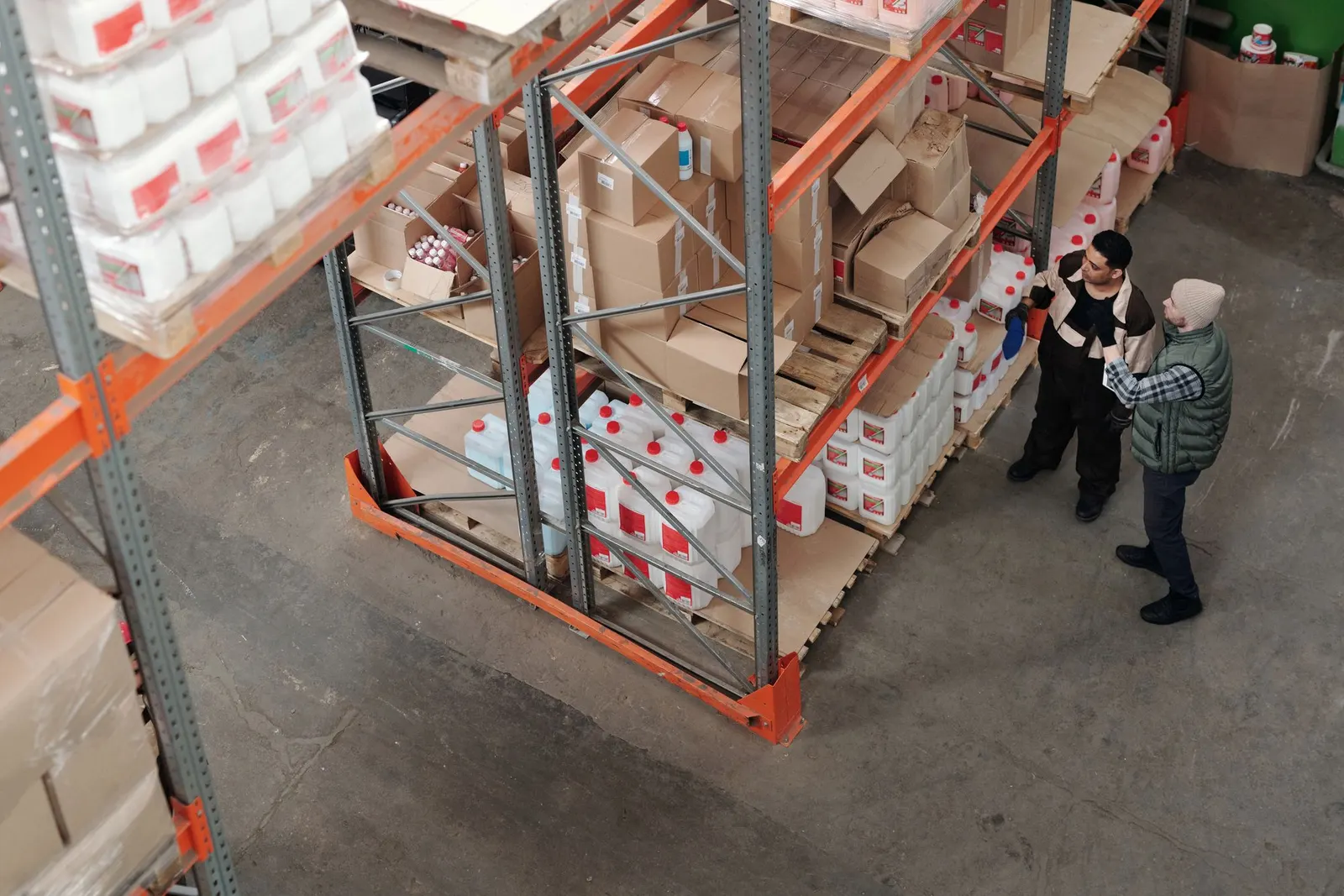
4. Put support within reach of a mobile phone, at any hour
If psychological support can only be requested through the intranet during office hours, the night-shift worker will not use it. Channels have to work from a personal phone, with a QR code in the changing room or canteen, and with support available outside a 9-to-5 schedule.
5. Look after the body, which matters more on the shop floor
Sleep, eating on changing shifts and exercise to offset awkward postures have a direct impact on mood. Nutrition and physical activity advice adapted to rotating schedules is part of the plan, not an extra.
6. Communicate in the language of the shop floor
Five-minute talks at the start of a shift, short messages and testimonials from colleagues work better than an email from HR. And keep repeating one key idea: the service is confidential and the company does not know who uses it.
Which indicators to track to know whether the plan is working
For senior management, workplace wellbeing in manufacturing has to translate into data. Some useful indicators, always aggregated:
- Absenteeism due to common illness, especially short, repeated absences and long-term leave related to mental health. To dig deeper, see our guide on how to reduce workplace absenteeism.
- Voluntary turnover in the hardest-to-fill roles.
- Incidents and near misses by shift, cross-referenced with periods of peak workload.
- Wellbeing diagnostic results by section, repeated every six or twelve months.
- Use of the support service: how many people consult and from which groups, with no individual data.
No single indicator explains everything, but their combined trend shows whether measures are reaching the shop floor or staying in the office.
The role of an EAP in an industrial company
An Employee Assistance Programme solves the main problem of wellbeing in manufacturing: making sure help arrives in time and reaches every shift. With beLASAI, every member of the workforce can:
- Consult a licensed psychologist and get a reply within 48 hours, from their phone and without going through their supervisor or HR.
- Use a 24/7 support line, so that someone coming off the night shift or having a crisis on a Sunday is not left without an answer.
- Get nutrition and exercise advice, useful for adapting sleep, meals and physical activity to rotating shifts.
- Keep full confidentiality: the company never knows who has consulted or why.
For HR and health and safety teams, the EAP also provides wellbeing diagnostics and an aggregated dashboard by department and location that helps prioritise the action plan arising from the psychosocial assessment, using real data from the shop floor.
Frequently asked questions about workplace wellbeing in manufacturing
What is workplace wellbeing in manufacturing?
It is the set of conditions and measures that allow the workforce of an industrial company to work in good physical and mental health. It includes how shifts and workloads are organised, the style of shop-floor supervisors, the prevention of psychosocial risks and access to confidential psychological support.
What are the main psychosocial risks in industry?
The most common are shift and night work, pace and production pressure, low control over one’s own tasks, monotonous and repetitive work, lack of supervisor support and job insecurity. In Spain they must be identified in the psychosocial risk assessment required by Law 31/1995.
How does shift work affect mental health?
It disrupts the sleep-wake cycle, eating patterns and social and family life. Chronic lack of sleep is associated with irritability, anxiety and low mood, and it increases fatigue and the risk of errors. That is why the regulations require adapted health protection for people working shifts and nights.
How can psychological support reach shop-floor staff?
Through channels that work from a personal phone, are available outside office hours, are promoted in the workplace itself (changing rooms, canteen, start-of-shift briefings) and guarantee confidentiality. An EAP with a 24/7 line meets those requirements.
Which wellbeing measures work in a factory?
The ones that change how work is organised: healthier shift rotations, rotas communicated in advance, training supervisors to spot and refer, accessible psychological support, and sleep, nutrition and physical activity advice adapted to shifts. Generic campaigns designed for offices tend to have little effect on the shop floor.
Is an EAP suitable for industrial companies with shifts?
Yes, and it is one of the settings where it adds the most value, because traditional help (an occupational health service open during office hours, public healthcare with waiting lists) does not fit around shifts. An EAP accessible from a mobile phone with 24/7 support reaches every shift equally.
Next step: make sure wellbeing reaches the night shift too
Looking after mental health in industry is not about moving the office wellbeing programme into the factory. It is about measuring by shift, organising work better, supporting shop-floor supervisors and putting real help within reach of every person, whatever hours they work. If you want a first snapshot of how your workforce is doing, start with the free occupational health test.
And if you want to offer your whole workforce an Employee Assistance Programme with a psychologist within 48 hours, a 24/7 line and an aggregated dashboard for HR, read our EAP guide, discover all beLASAI services, book a 30-minute demo or get in touch. We will show you how to adapt it to your company’s shifts.
Related articles

Right to disconnect policy for companies: what to include and how to write it
Spanish law requires an internal right-to-disconnect policy. What it must include, how to draft it step by step, sample clauses and how it protects mental health.

What to do if an employee has anxiety: a practical guide for HR and managers
An employee tells you they have anxiety. What the company can do (and cannot), how to have the conversation, which adjustments work and when to refer them to a professional.

Why you should measure your workforce's wellbeing before it becomes a problem (and how beLASAI's diagnostics do it)
Measuring employee wellbeing is no longer optional: an HR guide to which dimensions to measure, how often, and how beLASAI's diagnostic turns data into an action plan and psychosocial compliance.